Showing posts with label Healthy Diet. Show all posts

Thursday, April 11, 2013

5 Chinese Daily Habits That May Extend Your Life


As many of you may know, I was in China over the New Year to attend my grandfather’s funeral. Every time I travel, I always try to learn some of the benefits of a particular culture and try to bring them into my life, so I can appreciate the culture of the place where I have just been and perhaps my friends and students here in US can benefit as well.  This time, I realized that many Chinese daily life habits could really benefit us in the western world.


How do people’s lives in China differ from those of Americans? Here is a daily routine schedule that compares a typical Chinese and American daily routine. (Of course, this schedule may differ from individual to individual, but I think it is a fair example.)

US
China
Morning
Get up at 7:00, woken by alarm clock
Get up at 6:00, naturally
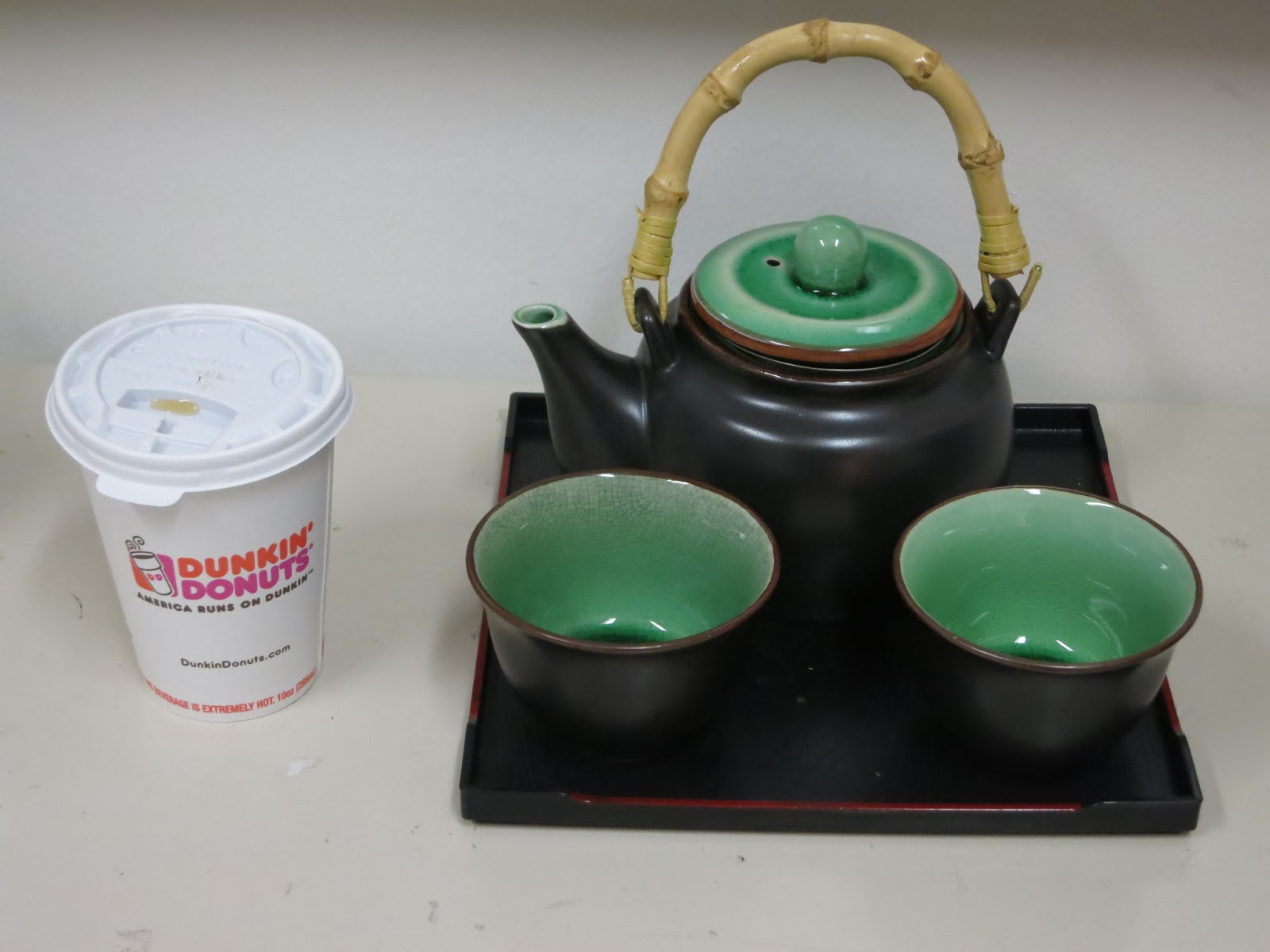
Take shower. Eat cereal or quick breakfast and take the train or drive to work, or stop for a fast breakfast on the way (maybe Dunkin' Donuts or Starbucks). Drink lots of coffee.
Quickly wash face with warm water. Do Tai Chi or other exercises in the public park. Cook breakfast or buy street food. Go to work. Drink tea.
Noon
Eat a quick lunch, maybe take-out or fast food, perhaps sitting at desk (one-hour lunch break)
Go home to eat with family and take a nap (two-hour lunch break)
Afternoon
Back to work right away. Work until 6:00 or 7:00.
Back to work after nap. Work until 5:00 or 6:00.
Evening
Go to the gym after work
Cook at home or go to a restaurant. Dinner around 6:00
Cook at home or go to a restaurant. Dinner around 8:00
Engage in relaxing activities such as watching TV or having tea.
Night
Engage in relaxing activities such as watching TV. Go to bed around 11:00.
Take shower and go to bed around 9:30.


If we compare these two schedules, we see some major differences in lifestyle.  Even though many American habits have become part of some Chinese people’s lives, especially in big cities where people tend to be more Americanized, most Chinese still adhere to the five major habits below.


1.   Time habit: Get up early, go to bed early


“Hear the rooster, it’s time to dance!” This traditional Chinese idiom that almost every Chinese person knows originated from the Western Jin dynasty. Five thousand years of history have taught Chinese people to get up early.  The Chinese believe that after an entire night of breathing indoors, the oxygen level in the bedroom becomes very low.  It’s essential to get out of the house as soon as possible to breathe some natural air. The air quality is considered to be the best in the early morning since there is less traffic and human activity at night, and less dust in the air. It’s healthier to walk outside, exercise and breathe fresh air in the early morning. Once the city starts moving, dust, and the noise level, will go up, making it hard to concentrate and do exercise.


Depression and high stress levels can shorten one’s lifespan.  Many studies have been done on the people of Okinawa, Japan, who are known to enjoy both the world's longest life expectancy and the world's longest health expectancy. They found that the people of Okinawa have surprisingly low depression and stress levels, as a result of their relaxing lifestyle that includes low-impact exercise, such as Tai Chi, and supportive bonds within the community. Most Chinese people live close to their workplaces.  When they get up early, they have enough time to enjoy their morning and get to work without feeling rushed. They don’t start their days off with stress. As I often mention to my Tai Chi students, a good starting stance leads to a good form. Similarly, a relaxed morning can lead to a positive day.


Before Edison invented the first electric light bulb, people tended to go to bed early because candles were costly; thus it was natural for people to go to bed early. The Chinese are very good at following this natural way. Most (perhaps not all) Chinese avoid socializing or drinking too much late at night to avoid a headache in the morning.  An early bedtime will result in a natural rise in the morning without an alarm clock.


2.       Exercise habit: Do exercises such as Tai Chi in the morning


As I mentioned, the people of Okinawa regularly practice Tai Chi as a healthy habit in order to live longer. Tai Chi is a traditional exercise that originates in China and people usually do it in the early morning.  If you go to bed early, you have a long, relaxed night to rest your body. Morning is the best time to exercise. Plenty of oxygen and clean, low-dust air are very beneficial for an exercise that involves slower breathing. Some Americans like to go to gym in the evening, before or after dinner.  Recent studies have shown that exercising while your body is low on food may be a good way to trim excess fat. Working out in the morning is therefore a better choice, even for vigorous, fat-burning exercises.


3.       Rest habit: Take a nap
As we can see, most Chinese take a nap in the middle of the day. Recently, I read a Chinese news article that stated that many Chinese who recently moved to the US and started work can’t stand the habit of not having a noon nap. To remedy their situation, many try to go to bathroom and take a nap while sitting on the toilet. Napping on the toilet may sound very extreme, but I have to say, napping is one of the best Chinese habits.  Ever since ancient times, the Chinese have had this habit of napping at noontime.  It is built into the Chinese schedule, which is why the Chinese have a two-hour lunch break,  compared to Americans’ one-hour lunch time. Sarah Medneck, author of  Take a Nap! Change Your Life, mentions that taking a nap “… increases alertness, boosts creativity, reduces stress, improves perception, stamina, motor skills, and accuracy, enhances your sex life, helps you make better decisions, keeps you looking younger, aids in weight loss, reduces the risk of heart attack, elevates your mood, and strengthens memory…” So I ask my fellow Americans, why are we not napping?

4.       Eating habits: The importance of food


In China, people think breakfast is very important, so they try to eat plenty, enough to fill their stomachs. It also considered important to eat breakfast slowly by getting up early, so you have enough time to eat and then go to work. Eating quickly makes it difficult for your stomach to absorb food.   The Chinese usually meet with family at noontime, and they want make sure this is the best meal of the day.  For dinner, the Chinese try to eat less because they don’t want put too much pressure on the stomach before going to sleep. They want the stomach to rest at night. In the US, we usually eat in hurry in the morning, we eat a smaller, faster lunch, and our meal with our family is usually dinner, which is often too large, and we often eat it too close to bedtime.


5.       Shower habit: Shower at night
I once read a funny article about how to determine whether you are a “real” Chinese or an “Americanized” Chinese based on some of your habits.  One habit is whether you take a shower in the morning or at night. Showering before bed is another good habit that the Chinese have.  Night showers save you time in the morning to have a leisurely breakfast and get to work without feeling rushed. They also relax your body and permit a better night’s sleep.  After a warm shower, the body’s temperature drops, which signals your body that it’s time to rest, and slows down essential metabolic functions including heart rate, breathing, and digestion. Perhaps that’s why we give babies a bath at bedtime to calm them and help induce sleep.
Will adopting these habits make you a Chinesized American?  I don’t know, but try them out and see if you enjoy the benefits!

------------------
If you like this article, you may also want to read Lao Tzu's Secret to Extend your Life
Copyright Huan's Tai Chi 2013

Wednesday, September 8, 2010

8 Secrets of Longevity from 30 Top Chinese Medicinal Doctors


Photo: The Character of Longevity in Chinese by Major Clanger


I just read an article in People’s Daily (China’s New York Times) in which 30 of the best-known doctors of Chinese medicine were interviewed and shared their Secrets of Longevity. These doctors are professors of Chinese medicine, authors of Chinese medicinal books, and heads of Chinese medicinal hospitals. And their ages range from 74 to 93 years old! Although each doctor had slightly different views and opinions about how to maximize life expectancy, they shared many similar thoughts. I’ve combined these into the 8 points below:

1. Eat Right
In order to live a long and healthy life, you must eat food which fits your body type. You should eat less meat and more vegetables. You should never overeat. Avoid frozen food, greasy food, or food with too much sauce. Drink less alcohol and don’t smoke.

2. Exercise!
Walk, swing your arms, and practice Tai Chi or Five Animal Play (an ancient moving system created by the famous Chinese Medicine practitioner, Hua Tou 110-207 A.D.) Sweating little is great but don’t overexercise. Massage yourself on your acupuncture points.

3. Don’t Depend on Vitamins
Vitamins can’t replace healthy food, exercise, and other activities. Don’t depend on Vitamins to balance your body; eat food instead. For example: Get your Vitamin A from carrots instead of from a vitamin tablet.

4. Get on Schedule
Your body has its own internal biological clock. Make sure you have the same schedule every day. Try to get up at the same time each morning and go to sleep at the same time each night. Getting off-schedule can make you tired and weak.

5. Wear Proper Clothing
Don’t try to be sexy by wearing skimpy outfits that don’t keep you warm enough! Wear enough clothing to protect yourself in the winter, but also make sure you don’t sweat by wearing too many layers in the summer.

6. Think About Age When Having Children
A child’s health may be affected at birth if the baby is conceived when the mother is over 40 years old.

7. Stay Positive!
Try to stay positive as much as you can! Don’t get angry, or if you do, find healthy ways
to release it (such as through Tai Chi or other exercise). Being depressed and angry will lower your life expectancy.

8. Get Enough Rest
If you are tired, then you need to get rest. Taking a small nap can help you during the day. Enough sleep at night is also very important.

Many of you already may have already heard some of these pieces of wisdom, but it’s nice to have them summarized again in writing. Wishing you a long and healthy life!

Copyrighted By Huan's Tai Chi 2010

Thursday, July 29, 2010

9 Healthy Reasons to Adopt Chinese Food Habits


Photo: Been There

We all have to eat food every day. But do we always employ the healthiest habits and enjoy our food in the way best suited to our bodies?

I enjoy many kinds of food, and after much experimentation, I have found that the healthiest food habits often have their roots in ancient Chinese customs. The Chinese customs of preparing and eating food are among the healthiest of those of all cultures. Here are some reasons why I think they are healthier:

1. Chinese use chopsticks to pick up food. Their hands never directly touch the food (the way Americans often touch hamburgers or Indians touch nan bread), so there is no risk of bacteria transmitting from the hands to the mouth.


2. Using chopsticks allows you to filter the food a second time. If there is a piece of unhealthy food such as a pig fat, or any non-edible item mistakenly mixed in, you have a second chance to filter these out by using chopsticks. On the other hand, if you are eating a sandwich, often the fat is already mixed in to the ham and it is hard to pull apart a whole sandwich.


3. Chinese food is well-prepared which means it is often chopped into small pieces prior to presentation and consumption. Because of this advanced preparation, there is no risk of dangerous incidents such as cutting your fingers with a knife while eating because the food has already been cut and there is no need for a knife. Similarly, a big piece of meat can pose a problem if it is not well-cooked inside (risking exposure to bacteria) and/or if it is burned on the outside (potential exposure to carcinogens).


4. Most Chinese food is meant to be eaten when it’s warm or it will lose its taste. The heat also keeps the bacteria away. When food becomes cold, bacteria can thrive and grow.


5. Another benefit of eating food when it’s warm is that the Chinese believe in the importance of making sure the temperature of the food and that of your body are similar. Eating cold food can be like putting cold water in fish tank; it can harm the fish. Cold food can cause stomach pains or similar discomforts. Food eaten warm, at body temperature, is natural and healthier.


6. Chinese never eat food without either rice or noodles. A bowl of rice or noodles ensures that you fulfill one of the 6-11 recommended daily servings of starches or grains in the food pyramid.


7. Chinese add vegetables to most meat or seafood dishes to ensure that you are getting your recommended daily servings of vegetables.


8. Chinese really take time to prepare soup. They prefer to obtain their vitamins the natural way. For example, a pig-bone soup takes a long time to cook to ensure that all the calcium from the bone is passed on into the soup.


9. Many Chinese foods include Chinese herbs which can help your body. Soups such as Huang Qi Chicken soup contain the Chinese herb Huang Qi, which will help you recover faster from a cold in the winter.


Among all the different styles of Chinese food, I prefer Shang Hai cuisine. Shang Hai cuisine is lightly seasoned and requires less oil. It’s not as strongly seasoned as Cantonese style, or as spicy as Hunan and Sichuan cuisine, nor is it as sweet as Beijing cooking. Shang Hai cuisine focuses on the natural taste of the food instead of seasoning or sauce. Most seasonings and sauces are full of extra salt and sugar which we all know is not healthy. Based on the above evidence, I conclude that learning the Chinese way of preparing and eating food, along with your daily Tai Chi will make your life healthier and more peaceful.

Copyright 2010 Huan's Tai Chi

Tuesday, February 9, 2010

More habits- Confucius’s Healthy Eating Wisdom


You are here. You might as well read the post 8 habits- Confucius’s Healthy Eating Wisdom. Well, Confucius has more than 8 eating habits in his life. I have found few more in his writing to share with you.

One is concerning the food used for sacrifice in addition to leftovers. After a public sacrifice, he never kept the portion of meat he received over night. The meat he used for private sacrifices at home he never kept for more than three days;

This is difficult for many of us to do because we think we’re saving money by eating our leftovers. The fact is that it could actually cost us more money to see a doctor or go to the hospital if we had food poison. As for myself, I usually cook a meal with only the portion that I will eat that day. When I have leftovers from eating out, I refrigerated it immediately, and try to eat it by the following day. I don’t eat leftovers over 2 days and I don’t eat raw leftovers such as salad.

Another habit of Confucius was to always say grace before he ate, even for the most simplest of food. A famous Chinese poem says, “Working under the heat of the sun, sweat on the ground, who knows who has contributed to the rice in your plate, each piece is contribution and hard work.” Make sure to order wisely when in a restaurant. Don’t order too much at first. You can always order more if you are still hungry or have desert later.

Confucius also remarked, “A wise and good man, in matters of food, should never seek to indulge his appetite; in lodging, he should not be too solicitous of comfort. He should be diligent in business and careful in speech. He should seek for the company of men of virtue and learning, in order to profit by their lessons and example. In this way he may become a man of real culture.” This is some presidential speech; it’s inspiring but takes effort to do. It gives us thoughts that we shouldn’t only worry about our stomach but also the lives of others.

May his wisdom be with you.

Copyright By Huan's Tai Chi

Monday, January 25, 2010

8 habits- Confucius’s Healthy Eating Wisdom


We all know from The Food Pyramid, that you should eat 2 servings of meat and poultry and at least 6 servings of bread or rice. Long before the US Department of Agriculture developed The Food Pyramid, Confucius (551-479 BCE) had already written that he would never allow the quantity of meat to exceed a proportion to the rice he took.

Confucius has mentioned his 8 eating habits:

1. He liked to have his food finely cleansed and cut into small pieces.

2. If the food had stored too long changing the color or flavor, he would not eat it.


3. If the food is over cooked , (burned), he would not eat it.

Hint: Burned food has CO2 which is poison.

4. If the food was not fresh, he would not eat it.

5. If the food was not cut into the right proportion, he did not eat it


Hint: Chinese cut the food into pieces before they cook them. If food is not cut properly, it might not be cooked evenly; small pieces can get burned before you finish cooking the bigger pieces.

6. He would not eat if he accidentally put too much sauce, or not enough.

Hint: Too much salt/sodium or sugar consumed is not good for your health

7. If the food was purchased from a small shop or individual, he would not eat it.

Hint: Buy from trusted food market

8. The only thing he didn’t set a limit to was wine consumption, but he did say to drink enough wine but not enough to get drunk.


You probably know many of these 8 habits already. Beside the 8 habits, he said that you should not talk while eating. Eating and talking together is multitasking and results in catching food in your throat. You should talk only while having an empty mouth. I found it’s extremely impolite to talk while you are eating. If someone cooked the dinner for you, eating it with full attention is the best appreciation.


Confucius cautioned, “Don’t fill your stomach”. Chinese often think 80% full is the best for your stomach. You won’t digest well and it will bring too much work to the digesting system if you consume too much food. I know it’s very tempting when you go to your favorite restaurant and not eat that last bit on the plate. You need to take a breath, take it home and eat for next meal. If Confucius was having dinner with you, he probably would do the same thing.


The most important thing Confucius taught is “Don’t just eat, do something meaningful with your life.” This is why I am translating his words to you, so we can all be healthy.


Happy eating!

------------------------


If you like this post, you might also like

  • 5 Keys: Reveal the Chinese Longevity Mystery

  • Lao Tzu's Secret to extend your life

  • Diet Plan for Tai Chi Practitioners & Rest of Us

  • Chinese Diet continued: Shall we skip breakfest?


  • Copyright by Huan's Tai Chi 2009

    Monday, August 31, 2009

    Chinese Diet continued: Shall we skip breakfest?


    I got a lot of hits on the Diet article I posted weeks ago; I guess a lot of people are interested to know more about Chinese Diet. Talking about amount of food to take for each meal, the eastern culture differs from western Culture. In western culture, dinner is the most important. The best food should be served during dinner and we eat a lot of food at dinner time. Some people also skip breakfast to lose weight.

    Unlike this, Chinese people think all three meals are important. Their eating habit is based on “Full breakfast, good lunch and small dinner.” Morning is a time that a person is very hungry since you don’t eat during sleep and you need a lot of energy for work for whole day. Chinese think that you need to eat a lot food to start the day (I still obey the 80% rule on mine- see last article). For lunch, Chinese think it’s the most important meal. They want have good lunch food to balance the breakfast and dinner. Chinese don’t eat a lot of food for dinner. I obey the rule of don’t eat any food/snack during 3 hours before your bedtime. We believe that eating a lot of food will adding work for your stomach, your stomach should rest at night just like the rest of your body do. Overeating on dinner will seed stomach problem for future.

    Talking about choices of food, many Chinese think "Two legs are better than four legs, one leg is better than two legs ( or without legs is better than two legs)" Basically, two legs means chicken or other birds, they are white meat which is better than red meat like cow or goat( four legs). One leg means fungus such as mushroom and without legs means fish. These comments are not totally true, because every integrant has it’s helpful side. I personally think all the foods are import to your body but I do think taking more veggies, less meat and eating bit more white meat and less red meat is the way to go.

    Please feel free to comment on this, offer your suggestions and share with your friends and family. I will be happy to share more with you on type, choices, and way of making healthy food if you think these tips are helpful to you.

    Copyrighted by Huan's Tai Chi '09

    Friday, August 21, 2009

    Diet Plan for Tai Chi Practitioners & Rest of Us


    While I was doing a Tai Chi Seminar, one student asked me,
    “What do you eat for your daily life, what food is good for Tai Chi?”

    My advice would be
    “Don’t eat too much on one kind of food at once, even on some super food”.

    For Example: Vitamin C is really good for your body, but if you take one bottle of Vitamin C, what will happen? Your diet should be a combination of Vegetable, grain, fruit and meat. You need to be careful about taking in different food. You should never eat too much. In Chinese, we say 80% full. Too much food will give a lot of work to your stomach and hurt your stomach in a long run.

    We should not do Tai Chi with Empty stomach. If you have an empty stomach before doing Tai Chi, you should eat a little bit food, so you won’t feel dizzy or get a stomach ache while doing Tai Chi. Although it is not necessary to eat only vegetables, eating too much meat is not good for you since meat is acid and hard to digest. Don’t drink too much wine if you doing Tai Chi. Yang Chen Fu said that you shouldn’t do Tai Chi after too much wine.

    Another very important reminder is that while exercise with Tai Chi, your breath will become long and deeper, which means a breath will go deeper to your chest. Strong wind and humidity can get into your body in this way. Yang Chen Fu also says to wear long sleeved clothes and not to perform in the wind. If you sweat, don’t take clothing off or take a cold shower, it will hurt your body. In the Ming Dynasty book “Talking of Cabbage Root”, it mentions that

    “If you are always sick when you are old, it’s because you didn’t take care of your body when you were young.”

    When you are young, you think you are ok to walk in the cold rain, you have fun under the strong wind while driving the boat, but these are actually hurting your body. It didn’t show because you are strong while you are young. These activities plant the seeds for sickness in you and they will occur in the future when you are older. When you know how to take care of your body while you are young, you will enjoy it more while you’re getting older.

    Copyrighted By Huan's Tai Chi 09

    Monday, July 27, 2009

    The Kung Fu of Tea

    I will teach a Kung Fu lecture tonight in Cambridge. Kung fu doesn't mean martial arts in Chinese, it means time. When some thing takes time to archive, we say it takes Kung Fu.

    I am a tea drinker.(I have a brife introduction of how to making Chinese tea, can write few more pages if gets into detail) I have it almost every day. Have your tea made in right way takes kung fu. Most people here make tea out of a tea bag and took tea bag out once the water turn dark, but Chinese drinker don't take tea out of it's cup, since they know perfectly how much tea they want put into the cup. As a Chinese tea drinker, I first boil the water. After I have the boiled water poured into my tea cup with tea leaves there( not tea bag), then I put the cup cover on my tea cup, it will keep the leaves expend faster. The tea leaves will swim to the top and then gradually expend. After it expended, the leaves will started to sink down to the bottom. Wait few minute after all the tea leaves completely sink down to the bottom of the cup. Now, it's the time to open it's cover. Put your nose close to the tea cup once you open the cup cover. It smells so good! Now, you can quickly have your first sip. That’s the best sip of the whole cup. Be careful, because it's hot. Sip just little tea from the side of the cup so it won't burn your tongue.Have the cover on when you not drink it and open the cover when drink. That's how you really enjoy your tea in Chinese way.